Skip to content
Please note that our campus - Springfield College is approved by the Ministry of Colleges and Universities.
About Apply Now

Anatomy and Physiology

This program does not require approval under the Ontario Career Colleges Act, 2005
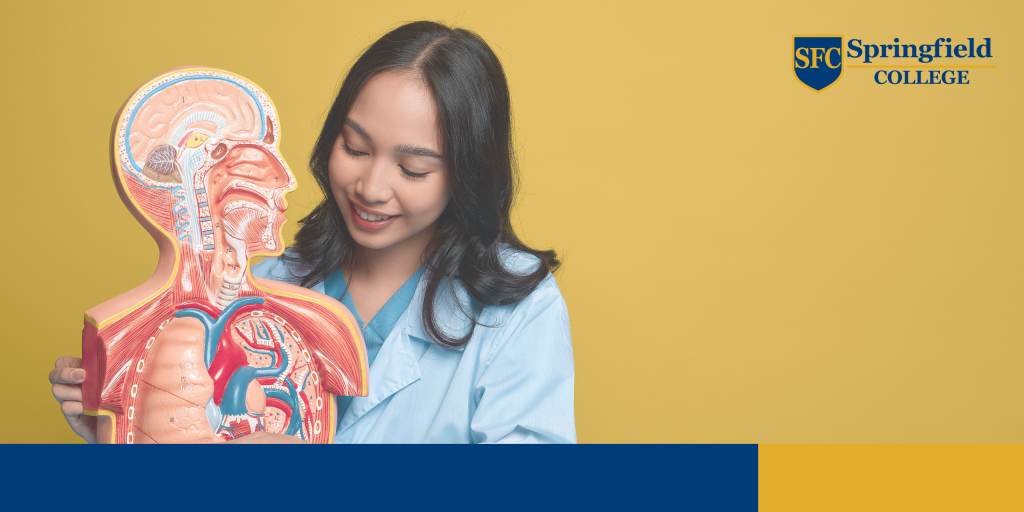
Human Anatomy & Physiology

The Anatomy & Physiology Certificate Course introduces the structure and function of the human body. Anatomy examines how the body is organized, while physiology explores how cells, tissues, organs, and body systems work together to sustain life and maintain health. 

Learners study major body systems and their functions, developing scientific vocabulary and a stronger understanding of how the body works. The course can support additional healthcare education or professional knowledge in medical administrative and support roles. 

Course Highlights

  • Foundational understanding of human body structures and functions. 
  • Coverage of cells, tissues, organs, and major body systems. 
  • Introduction to anatomical language and homeostasis. 
  • Connections between anatomy, physiology, and everyday health. 
  • Relevant background knowledge for further healthcare study. 
Career Prospects and Opportunities

This certificate can strengthen a learner’s preparation for more advanced health studies and can supplement knowledge used in healthcare-related administrative or support work. It is not a stand-alone qualification for regulated clinical practice. 

Potential career opportunities and related pathways 

  • Healthcare administration learning 
  • Medical office support education 
  • Personal care support education 
  • Rehabilitation support education 
  • Further allied health study 

Potential work environments 

  • Healthcare education settings 
  • Medical administration workplaces 
  • Health services support environments 

Skills Acquisition

Learners can develop skills to: 

  • Recognize major structures and organs of the body. 
  • Explain the basic roles of cells and tissues. 
  • Describe the principal functions of body systems. 
  • Use anatomical terminology accurately. 
  • Understand how systems interact to maintain homeostasis. 
  • Interpret basic anatomical diagrams. 
  • Relate common physiological processes to health concepts. 
  • Build a foundation for more advanced healthcare learning. 

Duration and Admission Requirements

  • Course Duration: To be confirmed by Springfield College. 
  • Total Course Hours: To be confirmed by Springfield College. 
  • Admission Requirements: Specific academic or language prerequisites and supporting documentation must be confirmed with admissions. 
  • Course Delivery and Assessment: Schedules, instructional format, and evaluation methods must be confirmed before publication.
  • Anatomical Foundations: Body organization, anatomical directions, body regions, and homeostasis.
  • Cells and Tissues: Cell structures, cellular activity, and primary tissue types.
  • Integumentary System: Skin, hair, nails, protection, and temperature regulation.
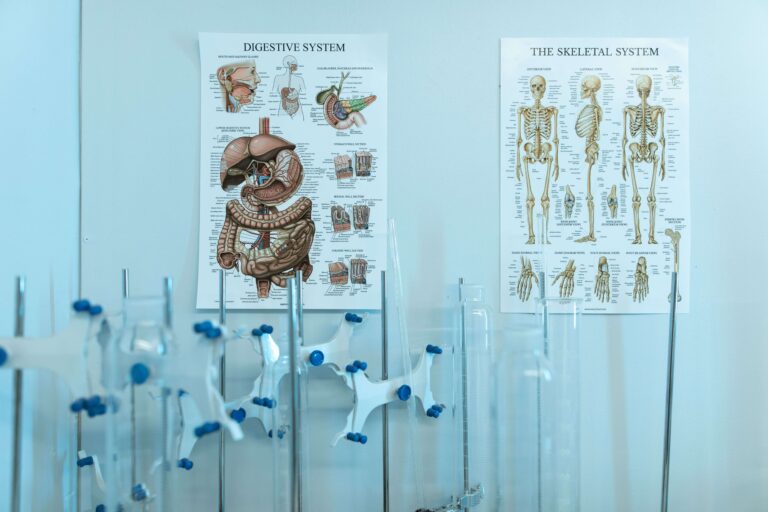
  • Skeletal System: Bones, joints, support, and protection.
  • Muscular System: Muscle structure, movement, and contraction.
  • Nervous System: Brain, spinal cord, nerves, and neural communication.
  • Cardiovascular System: Heart, blood, vessels, and circulation.
  • Respiratory System: Airways, lungs, breathing, and gas exchange.
  • Digestive System: Digestion, organ functions, and nutrient absorption.
  • Urinary System: Kidneys, filtration, and fluid balance.
  • Endocrine System: Hormones, glands, and body regulation.
  • Reproductive System: Major reproductive structures and functions.
  • Special Senses: Vision, hearing, taste, smell, and balance.
  • Integration of Body Systems: How systems interact to maintain normal function.

Flexible

Flexible

Flexible

Certificate

Online/In-person

Special Promo

Popular Certificates

medication administration hero image

Medication Administration

  • Duration TBD
  • Modules TBD
Book An Appointment